.webp)
How to Play Grow a Garden – A Beginner’s Guide to Building the Strongest Garden
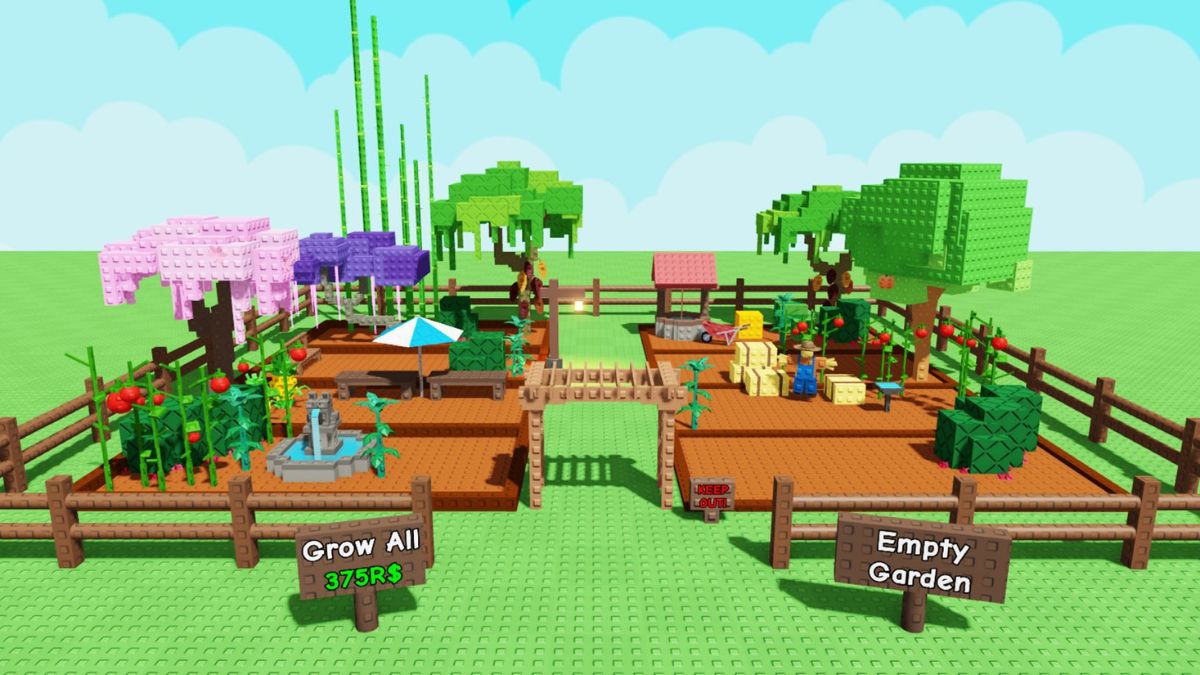
Idle games have become increasingly popular because they allow players to enjoy continuous progression without demanding constant attention. Grow a Garden takes this concept further by transforming your desktop display into a miniature RPG garden – where your plants automatically grow and fight off pests while you work, browse the internet, or play other games. Unlike traditional farming games that occupy an entire screen, Grow a Garden remains quietly active in the background, making it a unique desktop companion.
Although the game looks simple during the first few minutes, many beginners quickly hit progression walls because they upgrade randomly or misunderstand the idle mechanics. Knowing how to manage resources, strengthen your garden, and prepare for tougher seasons can dramatically increase your efficiency. This guide explains how to play Grow a Garden step by step, covering everything from your first seed to advanced progression strategies.
Understanding the Core Gameplay
The foundation of Grow a Garden is automatic growth. Once the game starts, your plants continuously develop and generate resources without requiring manual input. Defeated pests or harvested crops reward gold and experience, which are then invested into permanent upgrades that improve future yields.
Unlike action RPGs that rely on reflexes, Grow a Garden rewards planning. Choosing when to spend gold, which upgrades to prioritize, and how to balance growth speed with pest defense determines how smoothly your progress continues.
Core Gameplay Loop
- Grow plants automatically.
- Collect gold and experience.
- Upgrade your garden.
- Unlock stronger seeds.
- Repeat the cycle with higher efficiency.
Installing and Starting Your Adventure
After downloading Grow a Garden, launch the application and allow it to initialize on your screen. Instead of opening a traditional game window, your garden appears directly as a compact desktop widget. This unique presentation lets the game remain active while you continue using your computer normally.
During your first session, avoid rushing through upgrades. Spend several minutes observing how plants grow, how quickly gold accumulates, and how your garden performs before making major investment decisions.
Beginner Tips
- Keep the game running: Grow a Garden is designed as an idle experience. Leaving it active for longer periods usually provides better rewards than constantly restarting.
- Avoid unnecessary resets: Many new players restart too early after seeing slow progress. In most cases, patience leads to stronger long-term growth.
Learning the User Interface
The interface is intentionally minimal to avoid interrupting normal desktop activities. Most important information appears through compact icons, floating resource numbers, and upgrade menus. Spending time understanding each menu early will save mistakes later.
Your main attention should focus on plant statistics, available upgrades, current gold, and weather difficulty. These four elements influence nearly every progression decision throughout the game.
Important UI Elements
- Garden Level
- Gold Counter
- Yield Statistics
- Upgrade Menu
- Skill Buttons
- Season Progress
Upgrading Your Garden Efficiently
Gold is your most valuable resource during the early game. Instead of purchasing every available upgrade, focus on improvements that provide the highest increase in production or survivability. Balanced progression usually performs better than specializing too early.
If plants begin taking significantly longer to grow than before, it often indicates your production output has fallen behind the game's scaling. Likewise, frequent defeats against pests suggest investing in health or defensive upgrades before continuing speed improvements.
Upgrade Priority
- Pest Damage
- Growth Speed
- Mutation Chance
- Maximum Plant Health
- Environmental Defense
- Special Skills
Understanding Skills and Abilities
As your garden becomes stronger, new abilities become available. These skills provide temporary boosts, powerful growth bursts, or passive bonuses that increase overall efficiency. Understanding each skill's purpose helps maximize long-term progression.
Passive abilities generally offer the highest value because they improve performance continuously. Active abilities become more useful during difficult stages where additional resource bursts help overcome harsh weather conditions.
Recommended Early Skills
- Growth Speed Boost
- Critical Yield Bonus
- Gold Multiplier
- Plant Health Regeneration
Farming Gold Faster
Gold determines how quickly your garden improves. Efficient farming depends on harvesting plants consistently rather than reaching the highest possible season immediately. Sometimes returning to slightly easier crops produces better long-term income.
Monitor your average harvest speed. If growth cycles become noticeably slower, upgrading before pushing further usually results in faster overall progression.
Gold Farming Tips
- Keep growth continuous.
- Upgrade damage regularly.
- Avoid spending gold immediately after every harvest.
- Save for larger upgrades when possible.
- Take advantage of passive income bonuses.
Progressing Through Difficult Stages
Every idle game eventually introduces seasons that slow progression dramatically. Rather than viewing these walls as failures, treat them as signals to optimize your garden build. Small improvements across multiple statistics often outperform one expensive upgrade.
Experimenting with different upgrade combinations can reveal surprisingly effective strategies. Some players prefer maximizing mutation rates, while others achieve better results through growth speed or balanced statistics.
When Progress Slows
- Review Your Build: Check whether your output production, plant health, and passive bonuses remain balanced before attempting harder seasons.
Common Beginner Mistakes
One of the biggest mistakes new players make is spending every coin immediately. Saving for larger upgrades often provides better overall value than purchasing several smaller improvements.
Another frequent error involves ignoring passive bonuses. Because their effects accumulate continuously, passive upgrades become increasingly valuable during long idle sessions.
Mistakes to Avoid
- Ignoring plant statistics.
- Restarting too frequently.
- Overspending early.
- Focusing only on speed.
- Forgetting passive upgrades.
Advanced Idle Strategies
After mastering the basics, players can begin optimizing longer idle sessions. Leaving the game running overnight or while working allows resources to accumulate steadily. Checking progress periodically instead of constantly interacting with the game often produces better efficiency.
Experienced players also monitor upgrade timing carefully. Purchasing several upgrades together instead of individually creates smoother progression and reduces periods of weak growth performance.
Efficiency Checklist
- Maintain balanced upgrades.
- Prioritize passive income.
- Keep plant growth uninterrupted.
- Review garden performance regularly.
- Adapt strategies when weather difficulty increases.
Long-Term Progression and Endgame Preparation
As your garden reaches higher seasons, progression naturally slows. Endgame success depends on efficient resource management rather than simply increasing playtime. Understanding pest scaling, choosing optimal upgrades, and maintaining consistent idle sessions become increasingly important.
Remember that Grow a Garden rewards patience. Every upgrade contributes toward stronger future performance, and small improvements accumulate into significant long-term growth. By following efficient strategies instead of rushing forward, players can enjoy steady progression throughout the entire game.
Conclusion
Grow a Garden combines the relaxing nature of idle games with a creative desktop presentation that makes progression feel continuous without disrupting everyday computer use. While the automatic growth system appears straightforward, mastering resource management, plant upgrades, skill selection, and long-term planning is essential for consistent success.
Whether you are completely new to idle games or an experienced player looking to optimize your strategy, following the techniques in this guide will help you advance faster, earn more gold, and build a stronger garden capable of overcoming increasingly difficult challenges. Stay patient, upgrade wisely, and let your garden continue growing while you focus on everything else.