.webp)




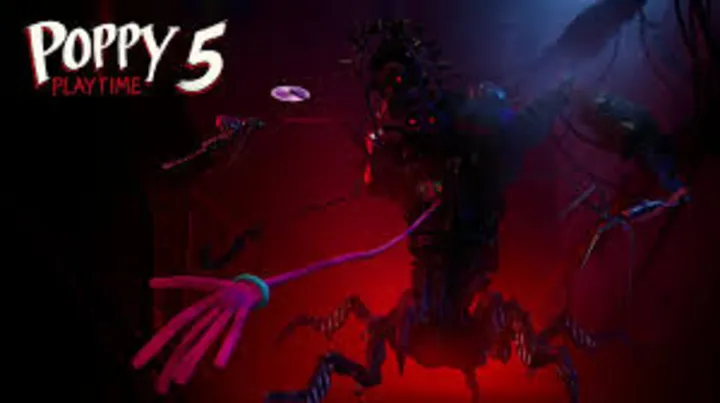
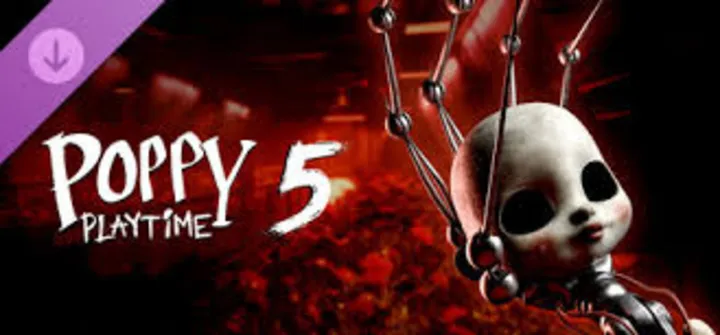
The indie horror phenomenon Poppy Playtime has steadily evolved into a cultural staple within the gaming world. What began as a deceptively simple puzzle-horror experience has grown into a layered narrative filled with psychological tension, corporate conspiracy, and unforgettable characters. With each chapter, developer MOB Games has raised the stakes—introducing new gameplay systems, terrifying enemies, and deeper lore. Now, all eyes are on Poppy Playtime Chapter 5, a chapter that many fans believe could define the future of the franchise.
In this comprehensive article, we explore every aspect of Poppy Playtime Chapter 5—from its narrative progression and gameplay innovations to its emotional impact, strengths, and limitations. Structured with clarity and depth, this guide is designed to give you a complete expert-level understanding of what makes this chapter stand out.
The Legacy Leading Into Chapter 5
The success of Poppy Playtime did not happen overnight. Each chapter has built upon the last, gradually expanding the universe of Playtime Co. and revealing fragments of a disturbing truth.
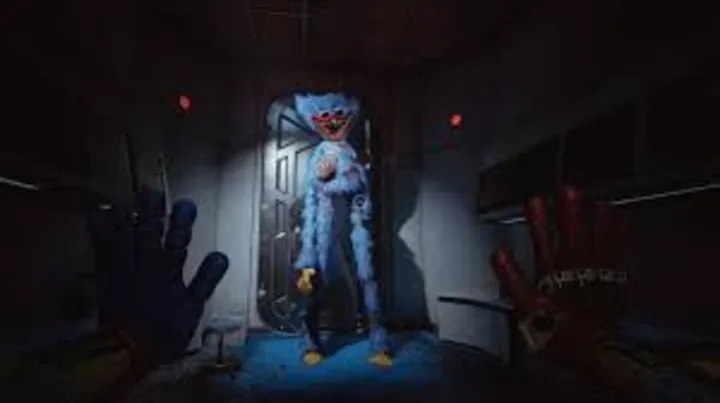
Earlier chapters focused heavily on introducing core mechanics and iconic antagonists. Huggy Wuggy symbolized raw fear, while Mommy Long Legs introduced manipulation and control. By Chapter 4, the tone shifted toward psychological horror and narrative complexity, setting the stage for Chapter 5 to act as a pivotal turning point.
Why Chapter 5 Matters
Chapter 5 is not just another installment—it represents a convergence of storylines. Players expect answers to long-standing questions while anticipating new mysteries that push the narrative forward.
Key Expectations:
- Resolution of major plot threads
- Deeper character backstories
- More immersive gameplay systems
Setting and Environmental Design
The setting in Chapter 5 is darker, more intricate, and significantly more immersive than previous chapters. Players venture deeper into the hidden layers of the Playtime Co. factory, exploring areas that were previously inaccessible.
The environments feel alive with history. Every corridor, laboratory, and hidden chamber tells a story through visual clues and environmental storytelling.
Key Locations
Underground Research Facilities
These areas reveal the extent of the experiments conducted, featuring advanced machinery and disturbing remnants of past tests.
Abandoned Living Quarters
Spaces once inhabited by employees now lie in decay, offering insight into the human cost of the company’s actions.
Narrative Progression and Story Depth
Chapter 5 delivers one of the most emotionally charged narratives in the series. The story moves beyond simple survival and dives into identity, memory, and moral ambiguity.
Players uncover more about their own role within the story, blurring the line between observer and participant. This shift makes the experience more personal and impactful.
Core Themes Explored
- Ethical consequences of unchecked ambition
- Loss of humanity through experimentation
- The manipulation of memory and perception
Storytelling Techniques
- Audio logs and recordings
- Visual storytelling through environment
- Fragmented narrative pieces that require interpretation
Gameplay Mechanics and Improvements
Gameplay in Chapter 5 has been refined to provide a smoother and more engaging experience. The balance between puzzle-solving and survival horror is more polished than ever.
The game introduces new mechanics that encourage experimentation and creativity, allowing players to approach challenges in multiple ways.
Notable Enhancements
Advanced GrabPack Functions
- Multi-directional interaction
- Enhanced power systems
- Real-time adaptability in puzzles
Dynamic Puzzle Systems
Puzzles now react to player decisions, creating a more interactive and less predictable experience.
 Character Development and New Entities
Chapter 5 introduces a range of new characters, each with distinct personalities and narrative significance. These are not just enemies—they are integral parts of the story.
The emotional depth of these characters adds complexity to the gameplay, making encounters more than just survival scenarios.
Types of Characters
Antagonists
- Unique behavior patterns
- Strategic threat levels
- Deep narrative connections
Supporting Characters
- Provide lore and context
- Offer emotional grounding
Horror Design and Psychological Tension
The horror in Chapter 5 goes beyond traditional jump scares. It focuses on building tension through atmosphere, pacing, and psychological manipulation.
Players often feel uneasy even in moments of calm, a testament to the game’s effective design.
Fear Techniques Used
- Environmental storytelling
- Sound-based tension
- Unpredictable enemy behavior
Psychological Impact
The game creates a constant sense of dread, making players question their surroundings and decisions.
Audio and Visual Excellence
The audiovisual design in Chapter 5 represents a major leap forward. From lighting effects to sound design, every element contributes to immersion.
The game uses subtle cues to guide players, enhancing both gameplay and storytelling.
Visual Highlights
Lighting Design
- Dynamic shadows
- Realistic reflections
- Mood-driven color palettes
Sound Design
- Ambient noise for tension
- Directional audio cues
- Minimalist but impactful soundtrack
Exploration and Replayability
Exploration is more rewarding in Chapter 5 than ever before. Hidden secrets, alternate paths, and optional lore elements encourage players to revisit areas.
The non-linear design allows for a personalized experience, where each player may uncover different aspects of the story.
Exploration Features
- Hidden collectibles
- Secret rooms
- Multiple puzzle solutions
Replay Value
Players are incentivized to replay the game to uncover all secrets and fully understand the narrative.
Difficulty Balance and Accessibility
Chapter 5 strikes a careful balance between challenge and accessibility. While the puzzles and enemies are more complex, the game provides tools to help players adapt.
Difficulty Features
- Adjustable settings
- Hint systems
- Checkpoints for progress saving
Player Experience
The game caters to both casual players and hardcore fans, ensuring a broad appeal.
Final Rating and Expert Verdict
Overall Rating: 9.2/10
Chapter 5 stands as one of the strongest entries in the Poppy Playtime series. It successfully builds upon previous chapters while introducing meaningful innovations.
What Makes It Exceptional
- Seamless blend of story and gameplay
- Deep emotional engagement
- High replay value
Areas for Improvement
- Better onboarding for new players
- Slight pacing adjustments
The Future of the Franchise
Chapter 5 leaves the door open for future expansions and potential new directions. While it answers several key questions, it also introduces new mysteries that keep fans engaged.
What to Expect Next
- Possible continuation of the storyline
- Expansion into other media formats
- Community-driven content and theories
Fan Expectations
The community expects even deeper storytelling and more innovative gameplay in future installments.
Conclusion
Poppy Playtime Chapter 5 is more than just a continuation—it is a transformation of the series into a mature, narrative-driven horror experience. By combining psychological tension, innovative gameplay, and rich storytelling, it sets a new benchmark for indie horror games.
Despite minor flaws, the chapter delivers a powerful and memorable experience that resonates long after the game ends. It challenges players not only to survive but to understand the deeper truths hidden within the Playtime Co. factory.