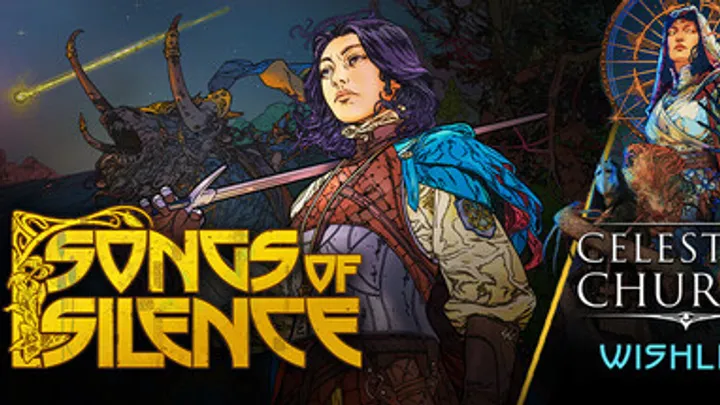





Songs of Silence is a unique blend of strategy, storytelling, and tactical command that combines real-time battles with a beautifully illustrated world threatened by The Silence. Players must manage kingdoms, command armies, develop heroes, and navigate a complex narrative full of choices that shape the fate of the realm. With multiple factions, dynamic campaign systems, and layered combat mechanics, mastering the game requires both strategic foresight and adaptive tactics.
This comprehensive Tips & Guides article walks you through the essential systems, advanced strategies, and gameplay techniques needed to excel—whether you're conquering enemy territories, optimizing your kingdom, or countering the ever-present forces of the Silent threat. The sections below follow a clear, chronological order, helping you evolve from beginner fundamentals to late-game mastery.
Let’s begin your journey to shaping a world that survives amid chaos and silence.
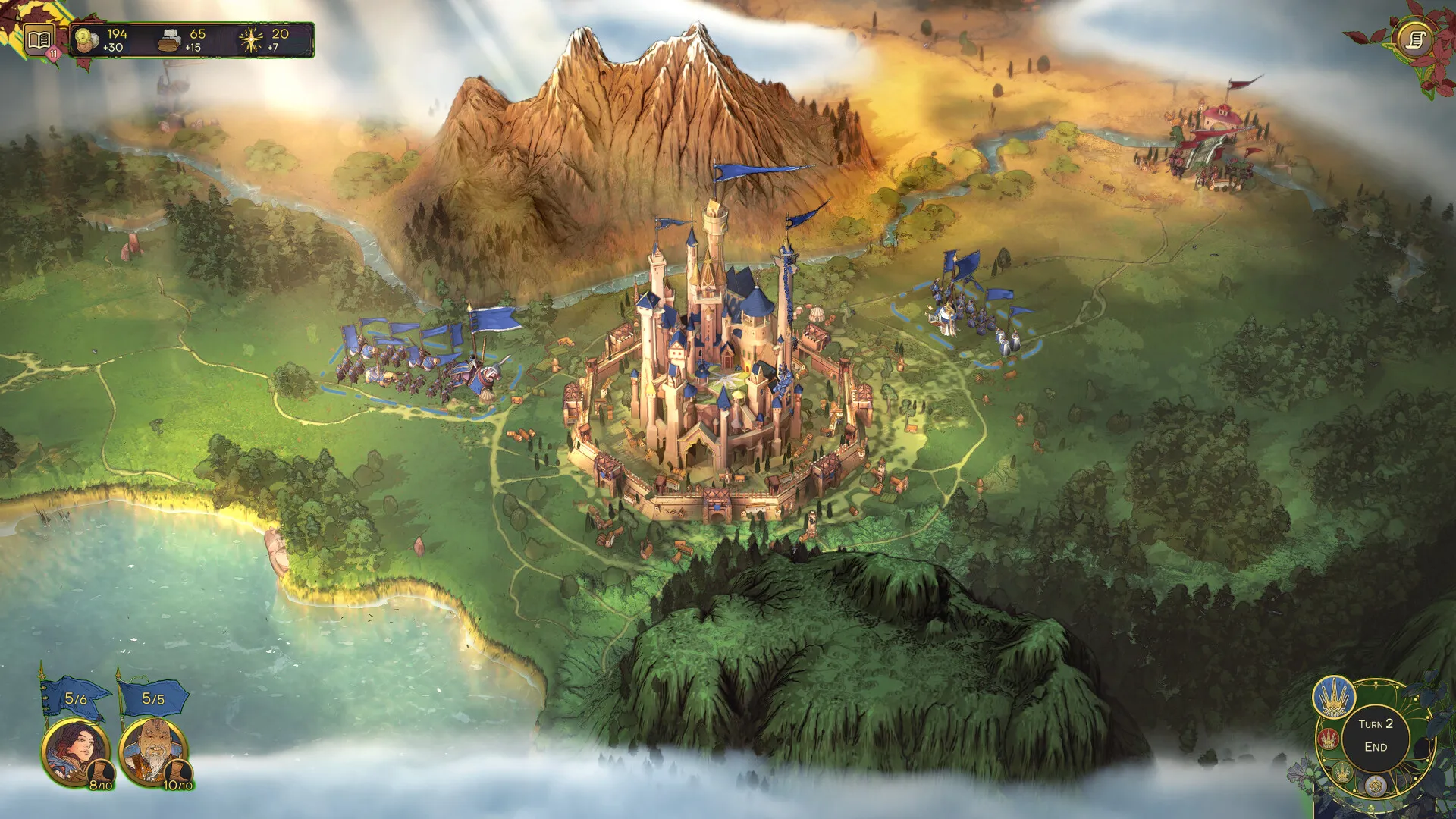
1. Learning the Core Gameplay Loop
Understanding the core structure of Songs of Silence is the first step toward long-term success. The game alternates between kingdom management, exploration, and real-time battles. Each phase feeds into the next: the choices you make in the overworld determine the power of your armies, the morale of your people, and the eventual outcomes of your battles.
The Silence functions as a constantly encroaching threat, pushing you to expand, fortify, and prepare. Momentum matters—players who hesitate often allow the darkness to consume key regions, weakening available resources and shrinking tactical options.
Key Components of the Core Loop
- Overworld decisions
- Hero progression
- Army composition
- Territory control
Why This Loop Matters
Mastering this structure ensures your empire stays stable while giving you strong armies for future encounters.
2. Choosing the Right Faction and Playstyle
Different factions in Songs of Silence encourage different strategies. Some excel in aggressive early expansions, while others thrive through strong defensive capabilities or high adaptability in the late game. Before you attempt advanced tactics, you must understand your faction’s strengths, weaknesses, and kingdom identity.
Selecting the right faction also ties into preferred playstyle. If you enjoy rapid map control, choose high-mobility factions. If you prefer slow but unbreakable defenses, select factions with heavy infantry and supportive buffs.
Faction Identity Examples
- High-aggression nations with strong melee corps
- Magic-focused factions using AoE and debuff strategies
- Hybrid factions built around flexibility
Tip for New Players
Choose a faction with balanced units until you understand the game’s rhythm.
3. Building Your Kingdom and Managing Resources
Your kingdom is more than your home base—it is the heart of your power. Managing resources such as population, income, growth, and military supply determines how quickly you can field new armies or expand across the map. A poorly managed kingdom collapses long before it reaches the Silent threat.
Your buildings, upgrades, and hero attachments shape your long-term strength. The earlier you optimize resources, the more prepared you’ll be for late-game threats.
Essential Resource Priorities
- Food and population for sustained growth
- Gold for upgrades and recruitment
- Influence for diplomatic or narrative decisions
Early Kingdom Strategy
Build for stability first; luxury structures can wait until your core economy is secure.
4. Recruiting and Organizing Your Armies
Your armies are your primary force against both enemy factions and the Silence. Understanding unit types, deployment strategies, and synergy choices boosts combat efficiency. A well-built army wins battles decisively; a poorly managed one leads to catastrophic losses that force your kingdom into recovery.
Different units fill specific battlefield roles—frontline tanks, ranged attackers, cavalry, and spellcasters. Balancing these roles ensures that your army functions cohesively, especially during difficult engagements.
Unit Types to Consider
- Heavy infantry for frontline stability
- Ranged units for consistent damage
- Cavalry for flanking and disruption
- Spellcasters for crowd control
Army Formation Tips
Always place weaker ranged units behind shields or heavy troops.
5. Understanding Heroes, Skills, and Progression
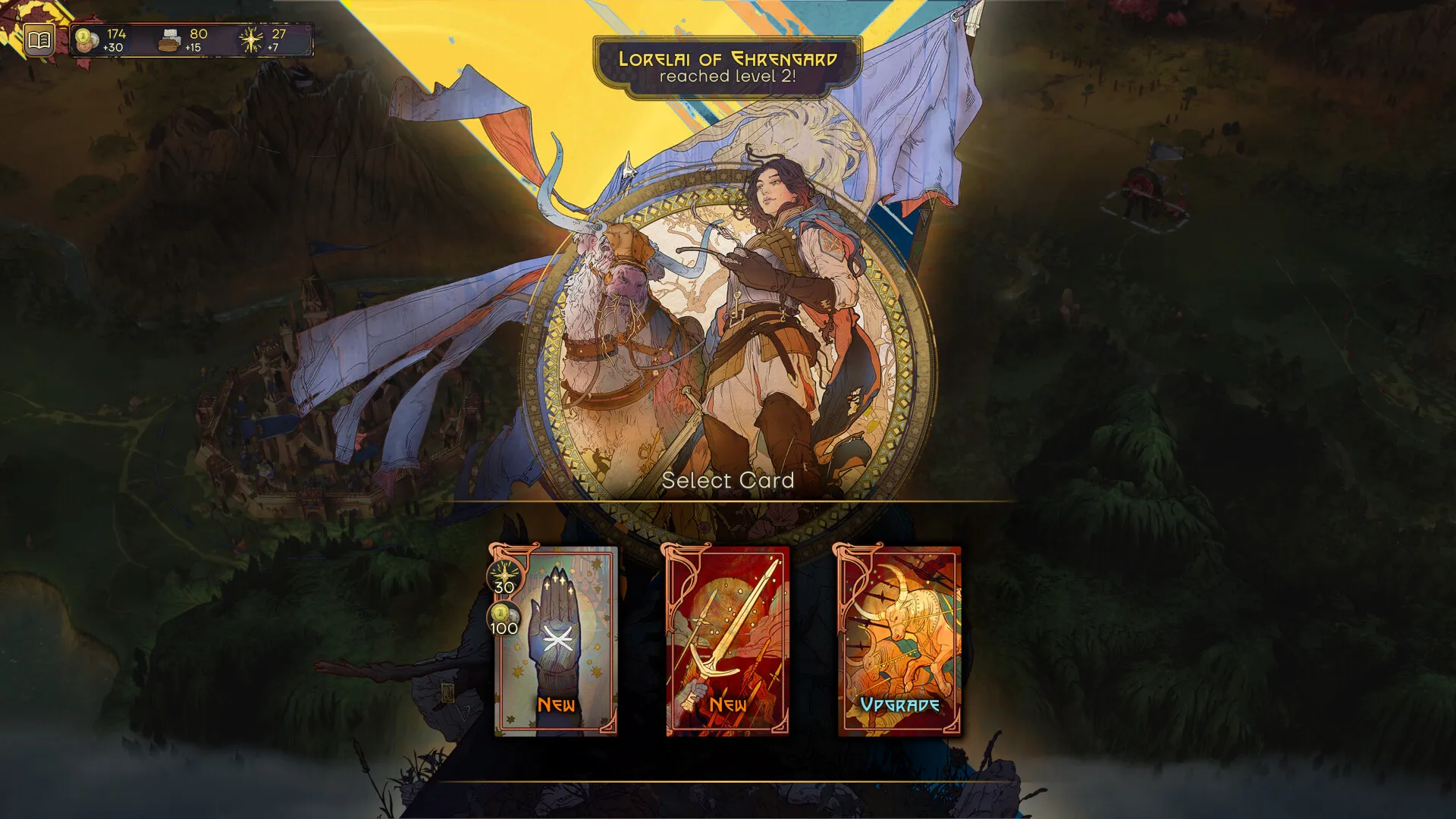
Heroes are among your most valuable assets. They lead armies, activate powerful abilities, and influence both overworld decisions and real-time combat outcomes. Developing a strong hero early gives your faction a dramatic edge in battles.
Each hero has a unique skill tree. Choosing the right skill path—offensive, supportive, or tactical—shapes how they contribute to engagements. Proper hero leveling is one of the most important mid-game strategies.
Hero Skill Path Types
- Damage-focused
- Buff/debuff support
- Tactical command and formation bonuses
Hero Strategy
Build heroes to complement your army composition, not duplicate its weaknesses.
6. Strategic Exploration and Territory Expansion
Exploration determines how quickly you gain access to new resources, allies, and tactical advantages. Expanding too quickly can expose you to danger, whereas expanding too slowly may cause regions to fall to the Silence uncontested.
The map is filled with opportunities—ancient ruins, recruitable units, hidden treasures, and storyline events. Taking the right path builds momentum that carries your faction into a powerful mid-game position.
Expansion Tips
- Secure chokepoints
- Prioritize valuable resource nodes
- Avoid spreading too thin
Exploration Strategy
Scout areas ahead of your main army to avoid ambushes and Silent corruption.
7. Tactical Combat: Formation, Positioning, and Timing
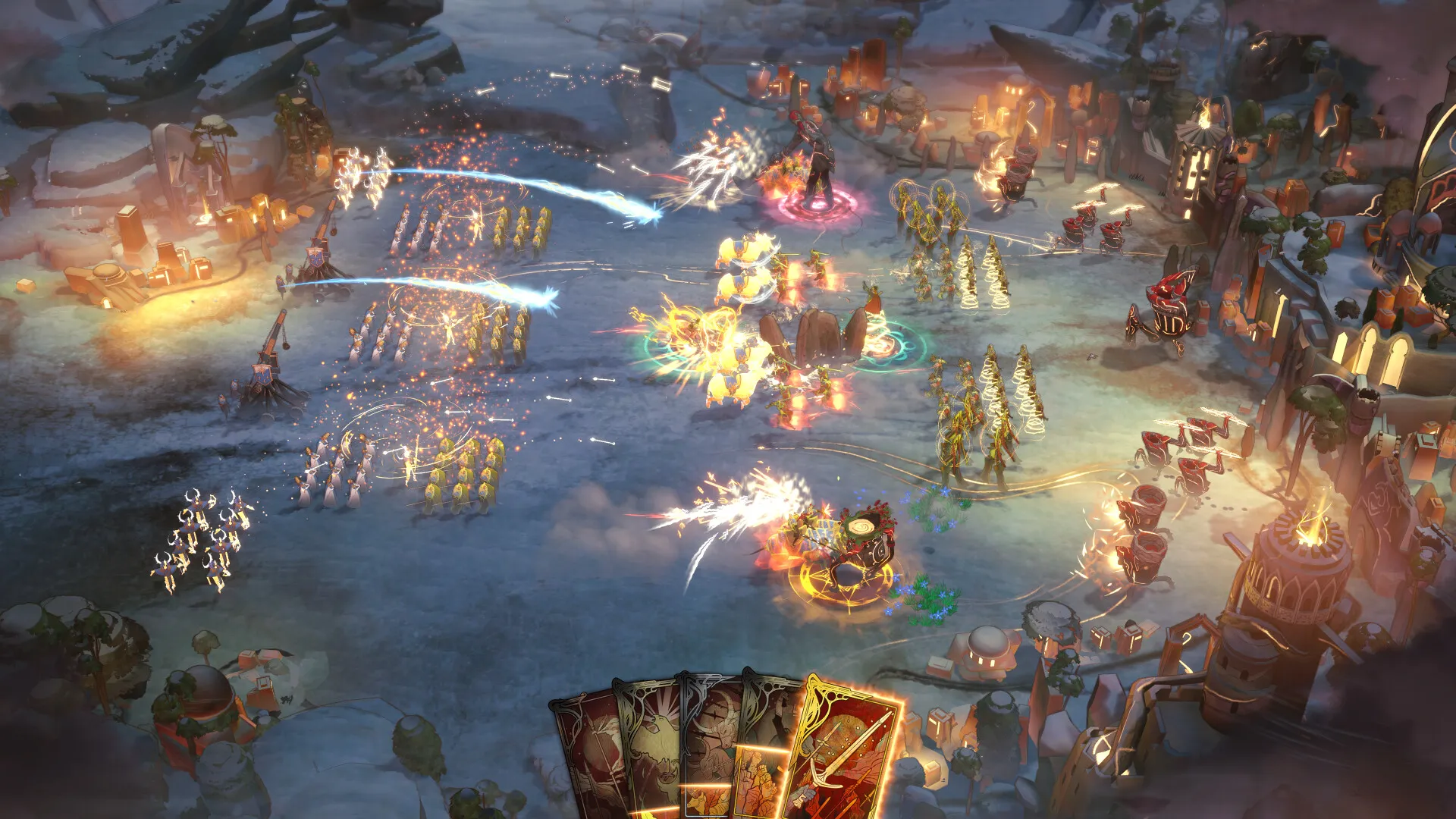
Combat in Songs of Silence relies heavily on positioning, formation choices, and timing of abilities. Every battle is won or lost by how well you deploy your troops rather than raw numbers alone. Even a smaller army can survive by using terrain, choke points, or hero abilities effectively.
Focus on unit matchups—light cavalry shreds archers, heavy infantry smashes through weak lines, and ranged units punish enemies from afar. Learning the rhythm of combat will massively increase your win rate.
Key Tactical Principles
- Maintain formation coherence
- Protect your flanks
- Time hero abilities carefully
Positioning Advice
Always give ranged units elevated ground when possible—they gain both range and safety.
8. Countering Enemies and Handling the Silence
Different enemy factions require different counter-strategies. Some rely on overwhelming numbers, while others use specialized units that must be eliminated early. Recognizing enemy weaknesses lets you choose smart counters and reorder your formation as needed.
The Silence is a unique threat that grows stronger the longer it remains unchecked. Its corruption spreads across the map, damaging your kingdom and weakening your forces. You must respond proactively by cleansing zones or overwhelming corrupted strongholds.
Counter-Based Strategy Examples
- Use cavalry against low-armor ranged units
- Deploy heavy troops against shield-breakers
- Use magic units to disrupt clustered enemies
Handling the Silence
Treat the Silence as a ticking clock—act before it becomes impossible to contain.
9. Mid-Game & Late-Game Planning
Once you stabilize your kingdom and expand your territory, the mid-game begins. This is often where players lose momentum—either by spreading too thin, underdeveloping armies, or mismanaging hero growth. Mid-game decisions determine your readiness for end-game conflicts.
Late-game requires consolidation: reinforcing borders, maximizing hero builds, enhancing army synergy, and preparing for final campaigns against both enemy factions and the Silence.
Mid-Game Priorities
- Upgrade elite units
- Build strong economy nodes
- Strengthen second and third armies
Late-Game Strategies
Use multiple armies to collapse enemy strongholds simultaneously.
10. Decision-Making, Choices, and Narrative Impact
One of the standout features of Songs of Silence is its branching narrative. Choices impact alliances, enemy aggression, hero progression, and even map layout. Strategic decisions off the battlefield matter as much as military victories.
Your storyline choices may unlock special units, alter hero dialogue, or reshape kingdom borders. Replayability is high because each campaign can progress differently based on your decisions.
Narrative Choices to Consider
- Diplomacy vs war
- Sacrifice vs preservation
- Resource acquisition vs moral decisions
Campaign Advice
Choose story paths that align with your faction strength and long-term goals.
Songs of Silence is a rich, beautifully crafted strategy title that rewards players who think deeply, adapt quickly, and plan ahead. Mastering kingdom management, army composition, tactical combat, and strategic exploration gives you the edge needed to survive against rival factions and The Silence. With strong heroes, well-organized armies, and consistently smart decisions, you will rise as a leader capable of shaping the fate of an entire world.
Use this complete Tips & Guides breakdown to build your strategy from the ground up. Learn the fundamentals, optimize your mid-game, and conquer the challenges that await in late-game conflicts. The world of Songs of Silence is as dangerous as it is stunning—enter prepared, and your kingdom will flourish.